
Contents
Overview
Climate change mitigation encompasses actions taken to reduce the concentration of greenhouse gases (GHGs) in the atmosphere. Secondary strategies focus on removing existing carbon dioxide (CO2) from the atmosphere through methods such as carbon capture and afforestation.
🎵 Origins & History
The concept of climate change mitigation gained significant traction as scientific understanding of anthropogenic global warming solidified in the late 20th century. Organizations like the IPCC provide authoritative scientific assessments.
⚙️ How It Works
Carbon sink enhancement involves natural solutions like reforestation and improved land management.
📊 Key Facts & Numbers
The energy sector accounts for roughly 75% of global GHG emissions, with fossil fuels being the dominant source. Renewable energy sources, including solar and wind, provided over 30% of global electricity generation in 2023, a figure that needs to accelerate dramatically. The transportation sector contributes about 16% of global GHG emissions, with electric vehicles (EVs) representing a growing but still small fraction of the total fleet. Industrial processes contribute another 24% of global emissions.
👥 Key People & Organizations
Key figures in climate change mitigation include scientists who developed foundational climate models, such as Syukuro Manabe and Klaus Hasselmann, both Nobel laureates for their work on Earth's climate. Political leaders and diplomats who have spearheaded international agreements, like Christiana Figueres, former Executive Secretary of the UNFCCC, and Al Gore, whose documentary 'An Inconvenient Truth' raised public awareness, are also central. Organizations like the IPCC provide authoritative scientific assessments, while bodies such as the International Renewable Energy Agency (IRENA) promote the transition to renewables. Major corporations like Tesla have driven innovation in electric vehicles and battery storage, while energy giants like Ørsted have pivoted significantly towards offshore wind power.
🌍 Cultural Impact & Influence
Climate change mitigation has profoundly influenced global discourse, policy, and culture. It has spurred the growth of the green technology sector, creating new industries and jobs in areas like renewable energy, energy efficiency, and sustainable agriculture. The concept has also permeated popular culture, appearing in films, literature, and art that explore themes of environmental crisis and human responsibility. Public awareness campaigns and activism, from groups like Greenpeace to the youth-led Fridays for Future movement, have amplified the urgency for action. Furthermore, mitigation efforts are increasingly integrated into corporate social responsibility (CSR) strategies and investment decisions, with the rise of ESG investing reflecting a growing demand for sustainable business practices.
⚡ Current State & Latest Developments
The current state of climate change mitigation is characterized by a critical gap between ambition and action. While renewable energy deployment is accelerating, with solar PV and wind capacity additions reaching record levels in 2023, the pace is insufficient to meet the 1.5°C target. The COP28 summit in Dubai concluded with an agreement to begin 'transitioning away from fossil fuels,' a landmark but non-binding statement. Meanwhile, investments in fossil fuel infrastructure continue, creating a significant challenge for decarbonization. Demand-side solutions, focusing on reducing energy consumption through behavioral changes and technological efficiency, are gaining more attention as a crucial, often overlooked, component of mitigation strategies. The development and deployment of carbon capture technologies also remain a subject of intense debate and investment.
🤔 Controversies & Debates
Significant controversies surround climate change mitigation. A primary debate revolves around the feasibility and cost-effectiveness of rapid decarbonization, with some arguing that aggressive targets threaten economic stability and energy security. The role and efficacy of carbon capture technologies are heavily debated; critics argue they are expensive, unproven at scale, and could prolong reliance on fossil fuels, while proponents see them as essential for hard-to-abate sectors. Geoengineering solutions, such as solar radiation management, are also highly controversial due to potential unintended consequences and ethical implications. Furthermore, debates persist regarding the equitable distribution of mitigation burdens, particularly between developed and developing nations, and the concept of 'climate justice.' The effectiveness of international agreements like the Paris Agreement in driving sufficient action remains a point of contention.
🔮 Future Outlook & Predictions
The future outlook for climate change mitigation hinges on a dramatic acceleration of current trends and the implementation of more ambitious policies. Projections suggest that if current investment patterns continue, renewable energy could dominate electricity generation by mid-century, but this may still fall short of climate goals. Innovations in green hydrogen production, advanced battery storage, and sustainable aviation fuels are expected to play crucial roles in decarbonizing sectors that are difficult to electrify. The increasing focus on circular economy principles and demand-side management, as highlighted by research from institutions like the International Energy Agency (IEA), will likely become more prominent. However, the realization of these futures depends heavily on political will, international cooperation, and overcoming significant economic and social barriers to transition.
💡 Practical Applications
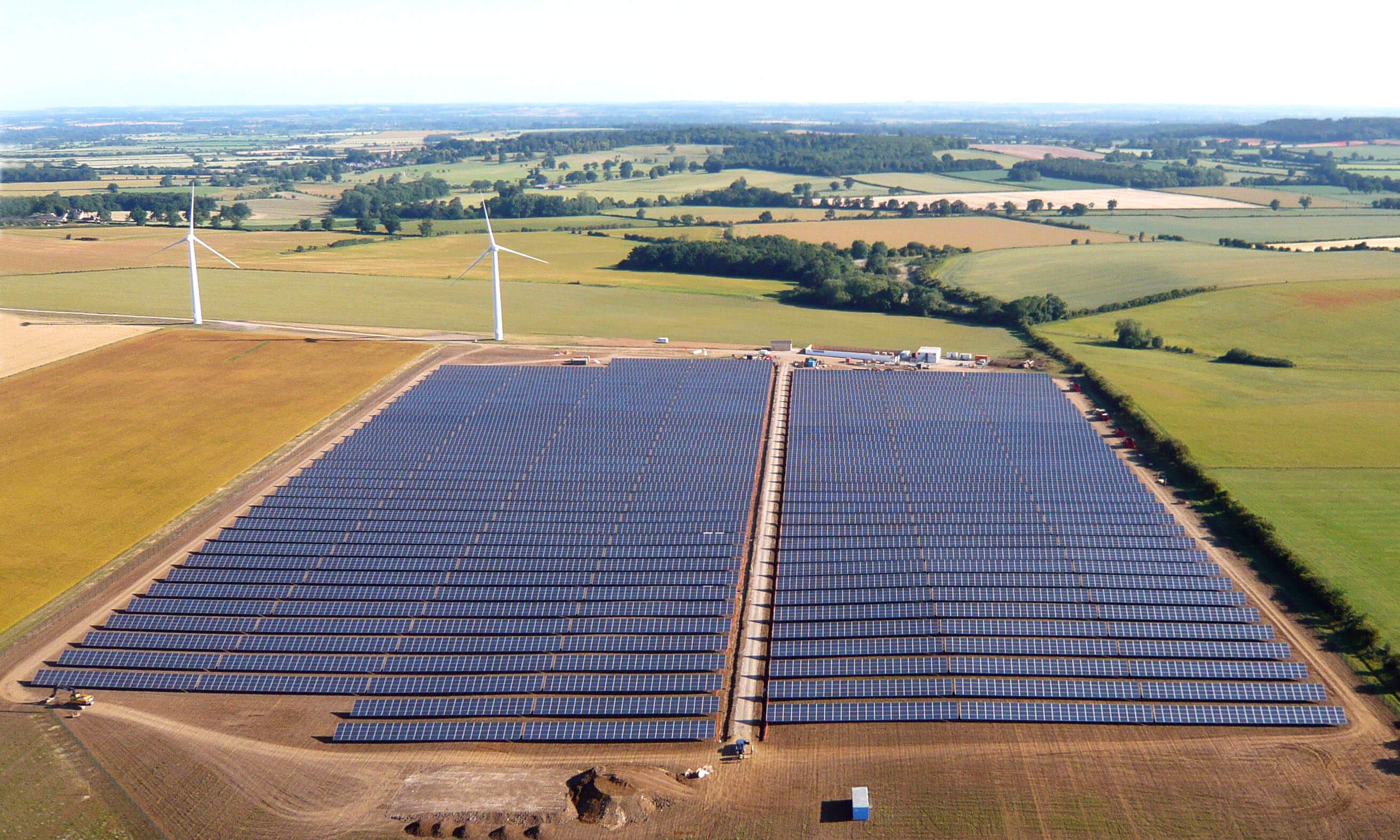
Climate change mitigation has numerous practical applications across various sectors. In the energy sector, it translates to the deployment of solar farms, wind turbines, and geothermal plants to generate electricity. In transportation, it means the adoption of electric vehicles (EVs), improvements in public tran
Key Facts
- Category
- science
- Type
- topic