
Contents
Overview
Combat rock is less a formal genre and more a sonic ethos, emerging from the raw, often brutal realities faced by soldiers, particularly during the Vietnam War and its aftermath. It's characterized by a gritty, no-frills sound that blends elements of punk, hard rock, and sometimes folk, with lyrics that directly address the soldier's experience – the boredom, the fear, the camaraderie, and the disillusionment. Think less anthemic war cries and more the weary, defiant soundtrack to survival. Artists like The Clash, with tracks like '1-2 X U' and 'Straight to Hell,' and even some of John Fogerty's solo work, often get lumped into this category for their unflinching lyrical content and driving, unpolished sound. It’s the music that played in the barracks, on the dusty roads, and in the minds of those who were there, offering a cathartic release and a shared understanding.
🎶 What is Combat Rock?
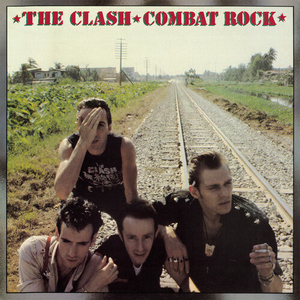
Combat Rock is the fifth studio album by the iconic English punk band The Clash, released in 1982. It marked a significant departure from their earlier, more raw punk sound, incorporating a broader range of musical styles including funk, reggae, and even elements of world music. This album is often seen as a pivotal moment in the band's career, showcasing their willingness to experiment and push sonic boundaries, even if it meant alienating some of their original fanbase.
📅 Release & Chart Performance
Released on May 14, 1982, by CBS Records, Combat Rock achieved considerable commercial success. In the United Kingdom, it peaked at number 2 on the album charts and remained for an impressive 23 weeks. Across the Atlantic, the album fared even better, reaching number 7 in the United States and enjoying a remarkable 61-week run on the Billboard charts, demonstrating its broad appeal beyond the punk scene.
🌟 Key Tracks & Sound
The album is perhaps best known for the hit single "Rock the Casbah", driven by drummer Topper Headon's distinctive drum beat. This track became a massive success, particularly on the burgeoning MTV network, introducing The Clash to a wider, mainstream audience. Other notable tracks like "Should I Stay or Should I Go" also showcased a more polished, radio-friendly sound, a stark contrast to their earlier, more aggressive material.
🤔 The Clash's Evolution
Combat Rock represents a clear evolution for The Clash, moving away from the pure punk ethos of albums like London Calling. While retaining their signature lyrical depth and social commentary, the band embraced a more diverse sonic palette. This shift was partly influenced by their experiences touring and recording in various parts of the world, leading to a richer, more textured sound that incorporated global rhythms and diverse instrumentation.
💥 Fan Reception & Controversy
The album's more accessible sound, while commercially successful, proved divisive among long-time Clash fans. Many felt the band had "sold out" by prioritizing radio play and MTV exposure over their punk roots. This led to debates about artistic integrity versus commercial viability, a common tension for bands evolving from underground scenes into the mainstream spotlight.
🌍 Global Impact
Combat Rock's influence extended far beyond the music charts. The album's blend of rock, funk, and reggae, coupled with its politically charged lyrics, resonated globally. "Rock the Casbah" in particular became an anthem, its message of defiance and cultural commentary finding audiences in various geopolitical contexts, solidifying The Clash's status as a band with international reach and impact.
💡 Influences & Legacy
The album's sonic experimentation and lyrical themes drew from a wide array of influences, from Joe Strummer's keen observations on global politics to Mick Jones's innovative guitar work and the rhythmic foundation laid by Headon and bassist Paul Simonon. Its legacy can be heard in subsequent generations of artists who blend genres and maintain a critical lyrical stance, proving that Combat Rock was more than just an album; it was a statement.
🚀 Where to Go Next
If Combat Rock has piqued your interest, explore the band's earlier, more raw punk output like The Clash and Give 'Em Enough Rope to understand their origins. For those who enjoyed the funk and reggae influences, check out Sandinista!, which further delves into these rhythms. To hear more of the band's later, more experimental work, Cut the Crap offers a different, albeit controversial, direction.
Key Facts
- Year
- Circa 1970s-1980s
- Origin
- Vietnam War Era & Post-War Disillusionment
- Category
- Music Genre
- Type
- Music Genre
Frequently Asked Questions
Was Combat Rock the first album by The Clash to feature non-punk elements?
No, while Combat Rock significantly expanded their sonic palette, The Clash had already incorporated reggae and funk influences on earlier albums like London Calling and Sandinista!. Combat Rock, however, leaned more heavily into these diverse styles and achieved greater mainstream success with them.
Why did some fans dislike Combat Rock?
Many long-time fans felt that the album's more polished, radio-friendly sound and the massive success of singles like "Rock the Casbah" represented a departure from the band's original punk ethos and DIY spirit. They perceived it as 'selling out' to commercial interests.
What was the significance of "Rock the Casbah"?
"Rock the Casbah" was a massive hit for The Clash, propelled by its inclusion on MTV. Its catchy, danceable rhythm and politically charged lyrics made it a global phenomenon and introduced the band to a much wider audience than their previous work had reached.
Did The Clash tour to support Combat Rock?
Yes, The Clash embarked on extensive tours following the release of Combat Rock, bringing their new sound to audiences worldwide. These tours were crucial in cementing the album's commercial success and showcasing the band's evolving live performance style.
What is the overall critical reception of Combat Rock?
Critically, Combat Rock is often viewed as a complex album in The Clash's discography. While its commercial success and innovative sound are widely acknowledged, it remains a point of discussion regarding its place within the band's punk legacy and the artistic compromises made for mainstream appeal.