
Contents
Overview
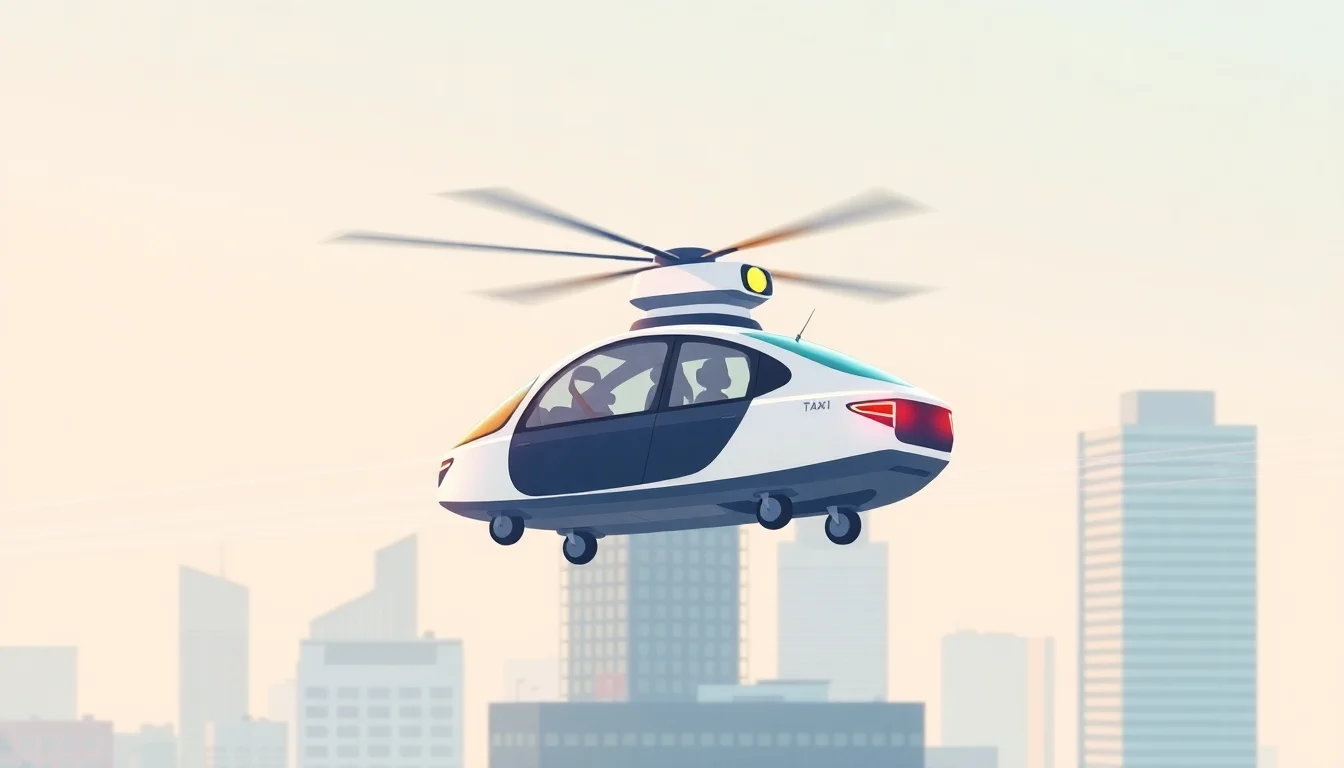
🚁 Overview of Flying Taxis: Flying taxis represent a transformative shift in urban transportation, aiming to alleviate traffic congestion and reduce travel times. These aerial vehicles, often electric and autonomous, are designed for short-distance travel within urban areas. Companies like Joby and Volocopter are leading the charge, developing prototypes that promise to take off and land vertically, making them ideal for city environments. With a projected market value of over $1 trillion by 2040, flying taxis are not just a futuristic concept but a burgeoning reality that could redefine how we navigate our cities.
📍 Location & Access
📍 Location & Access: Currently, flying taxi services are in various stages of testing and regulatory approval across major cities. Locations like Los Angeles and Singapore are pioneering sites for these services, with designated vertiports being constructed to facilitate takeoff and landing. As of now, passengers can expect to access these services via mobile apps, similar to traditional ride-sharing platforms. The goal is to integrate these aerial taxis into existing transportation networks, providing seamless connections to public transit and other modes of transport.
💰 Pricing & Plans
💰 Pricing & Plans: Pricing for flying taxi rides is still being finalized, but estimates suggest fares could range from $3 to $8 per mile, depending on the distance and demand. Companies like Uber have proposed subscription models that could offer discounted rates for frequent users. As the technology matures and competition increases, prices are expected to become more competitive with traditional ride-sharing services. Keep an eye on pilot programs and promotional offers as companies test the waters in various markets.
⭐ What People Say
⭐ What People Say: Early adopters and industry experts have mixed feelings about flying taxis. While many express excitement about the potential for faster commutes and reduced road congestion, others raise concerns about safety, noise pollution, and air traffic management. User reviews from test flights often highlight the thrill of flying but also point out the need for more robust safety protocols. As public perception evolves, companies will need to address these concerns to gain widespread acceptance.
🔧 How It Works
🔧 How It Works: Flying taxis utilize advanced technologies such as electric vertical takeoff and landing (eVTOL) systems, which allow them to operate in urban environments without the need for long runways. These vehicles are equipped with multiple rotors for stability and redundancy, ensuring safety in case of mechanical failure. Autonomous navigation systems, powered by AI and machine learning, are being developed to manage flight paths and avoid obstacles. The integration of these technologies is crucial for making flying taxis a viable option for everyday transportation.
🌍 Environmental Impact
🌍 Environmental Impact: One of the key selling points of flying taxis is their potential to reduce carbon emissions. Many models are designed to be electric, significantly lowering their environmental footprint compared to traditional gas-powered vehicles. However, the overall impact will depend on the energy sources used to charge these vehicles. If powered by renewable energy, flying taxis could contribute to cleaner urban air. Nevertheless, concerns about noise pollution and the ecological effects of increased air traffic remain contentious topics among environmentalists.
🛠️ Key Players in the Industry
🛠️ Key Players in the Industry: The flying taxi industry is populated by several key players, including Joby, Volocopter, and Boeing. Each company is pursuing unique designs and technologies to carve out their niche in the market. For instance, Joby has focused on a sleek, quiet design with a range of 150 miles, while Volocopter is emphasizing urban air mobility with its VoloCity model. Partnerships with established aerospace firms and tech companies are also shaping the landscape, as seen with Uber's collaboration with Joby to develop a ride-sharing platform for aerial taxis.
📅 Future Developments
📅 Future Developments: The future of flying taxis is poised for rapid growth, with several companies aiming for commercial launch by the mid-2020s. Regulatory hurdles remain a significant challenge, as aviation authorities worldwide work to establish safety standards and air traffic management systems for urban air mobility. As public trials continue and technology advances, we can expect to see flying taxis become a more common sight in our skies, potentially reshaping urban landscapes and commuting patterns.
Key Facts
- Year
- 2023
- Origin
- Emerging technology in urban transportation
- Category
- Transportation
- Type
- Technology
Frequently Asked Questions
What are flying taxis?
Flying taxis are electric or hybrid aerial vehicles designed for urban transportation, capable of vertical takeoff and landing. They aim to reduce traffic congestion and provide faster travel options within cities. Companies like Joby Aviation and Volocopter are at the forefront of this emerging industry.
How much will flying taxis cost?
While exact pricing is still being determined, estimates suggest fares could range from $3 to $8 per mile. Subscription models may also be introduced for frequent users, similar to existing ride-sharing services.
Are flying taxis safe?
Safety is a primary concern for flying taxis, with companies developing advanced technologies and safety protocols. These vehicles often feature multiple rotors for redundancy and autonomous navigation systems to ensure safe operation in urban environments.
Where can I find flying taxi services?
Flying taxi services are currently in testing phases in cities like Los Angeles and Singapore. As the industry develops, designated vertiports will be established for passengers to access these services via mobile apps.
What is the environmental impact of flying taxis?
Flying taxis have the potential to reduce carbon emissions, especially if powered by renewable energy. However, concerns about noise pollution and the ecological effects of increased air traffic are ongoing debates in the environmental community.