
Contents
- 🎸 The Genesis of Glam-Punk Mayhem
- 🎤 Iconic Members & Their Sound
- 🎶 Landmark Albums That Defined an Era
- 💥 The Dolls' Enduring Legacy & Influence
- 💔 The Tragic Arc: Breakups and Re-formations
- ✨ Beyond the Music: Visual Style & Attitude
- 🌟 Where to Experience the Dolls' Spirit Today
- 🤔 The Controversy Spectrum: Genius or Glorified Garage Band?
- Frequently Asked Questions
- Related Topics
Overview
The New York Dolls exploded onto the nascent glam-rock scene in 1971, a raw, unapologetic force that blended Chuck Berry riffs with a defiant, cross-dressing aesthetic. Hailing from the gritty streets of New York City, their sound was a potent cocktail of hard rock, blues, and a proto-punk energy that shocked and enthralled audiences. They weren't just a band; they were a visual and sonic assault, a deliberate middle finger to the prevailing musical norms of the early '70s. Their very existence challenged conventions of gender, sexuality, and rock and roll itself, laying crucial groundwork for the punk explosion that would follow just a few years later. The initial spark came from the creative partnership of Arthur Kane and Johnny Thunders, who envisioned a band that was as much about attitude and image as it was about music.
🎤 Iconic Members & Their Sound
At the heart of the Dolls' initial, most potent lineup were David Johansen on vocals, Johnny Thunders and Rick Rivets (later Sylvain Sylvain) on guitar, Arthur Kane on bass, and Jerry Nolan on drums. Johansen, with his swaggering stage presence and distinctive vocal sneer, was the charismatic frontman. Thunders provided the jagged, blues-infused guitar solos, a sound that would become a hallmark of punk. Sylvain offered a more melodic, yet equally raw, guitar counterpoint. Kane's solid bass lines anchored the chaos, while Nolan's drumming was a driving, no-nonsense force. Each member brought a distinct flavor, contributing to the band's volatile yet compelling chemistry, a dynamic that fueled their legendary live shows.
🎶 Landmark Albums That Defined an Era
The New York Dolls released only two studio albums during their initial run, but their impact far outweighs their discography size. Their self-titled debut, New York Dolls (1973), is a masterclass in raw, unadulterated rock and roll, featuring anthems like "Personality Crisis" and "Trash". The follow-up, Too Much Too Soon (1974), continued this trajectory with tracks like "Chatterbox" and "Stranded in the Jungle", showcasing a slightly more polished, yet equally defiant, sound. These albums, despite initial modest commercial success, became foundational texts for countless musicians, revered for their unvarnished energy and rebellious spirit.
💥 The Dolls' Enduring Legacy & Influence
The influence of the New York Dolls is undeniable and far-reaching, permeating the DNA of punk rock and beyond. Bands like the Sex Pistols, The Ramones, and The Clash directly cited the Dolls as a primary inspiration, absorbing their DIY ethos, rebellious attitude, and raw sonic power. Their visual style, a bold fusion of glam, drag, and street toughness, prefigured the visual anarchy of punk and new wave. The Dolls proved that authenticity didn't require polish, and that a powerful message could be delivered with a sneer and a killer guitar riff. Their legacy is cemented in the countless artists who followed, carrying their torch of defiance and unapologetic self-expression.
💔 The Tragic Arc: Breakups and Re-formations
The original New York Dolls imploded under the weight of internal strife, substance abuse, and management issues in 1977, a fate that tragically befell many bands of their era. Johnny Thunders and Jerry Nolan went on to form The Heartbreakers, continuing their raw sound in a different context. David Johansen pursued a successful solo career, later finding fame as Buster Poindexter. Despite numerous rumors and fan desires, the original lineup never fully reunited. However, Arthur Kane spearheaded a reunion of the Dolls in the early 2000s with new members, releasing two more albums before his own passing in 2009. This later iteration, while lacking the original magic for some, kept the spirit of the Dolls alive for a new generation.
✨ Beyond the Music: Visual Style & Attitude
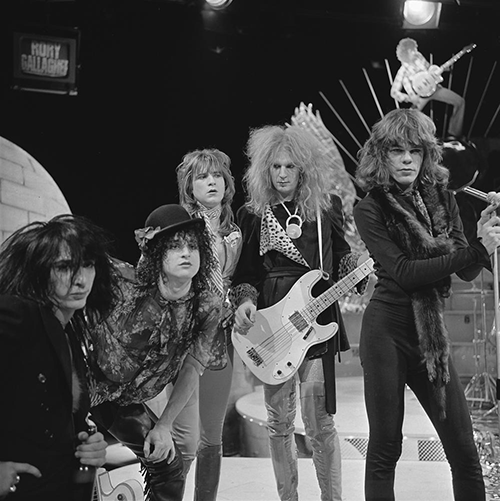
More than just their music, the New York Dolls were pioneers of a visual language that spoke volumes. Their look was a deliberate provocation: teased hair, heavy makeup, platform shoes, and flamboyant clothing that blurred the lines of traditional gender presentation. This wasn't just costume; it was a statement of liberation and a rejection of societal norms. Their attitude was equally crucial – a blend of streetwise swagger, sardonic wit, and a palpable sense of danger. They embodied a 'do-what-you-want' ethos that resonated deeply with disenfranchised youth, proving that style and substance could be intertwined in a powerful, rebellious package.
🌟 Where to Experience the Dolls' Spirit Today
While the original New York Dolls are no longer performing, their spirit thrives in the vibrant music scenes of New York City and beyond. You can often catch tribute bands playing their classic hits at venues like The Bowery Electric or Mercury Lounge, keeping the raw energy of the Dolls alive. Exploring the discographies of bands they influenced, such as The Damned or Blondie, offers a direct line to their sonic descendants. Furthermore, documentaries like New York Doll provide a deep dive into the band's history and the enduring impact of Arthur Kane's story, offering a tangible connection to their legacy.
🤔 The Controversy Spectrum: Genius or Glorified Garage Band?
The New York Dolls occupy a fascinating space on the Controversy Spectrum. To their devotees, they are undisputed geniuses, the architects of punk rock whose raw talent and groundbreaking aesthetic laid the foundation for modern rock music. They are lauded for their authenticity and rebellious spirit. Skeptics, however, often point to their sometimes sloppy musicianship and the perceived reliance on shock value over musical substance. They question whether the Dolls were truly revolutionary or merely a stylish, albeit influential, garage band. This debate highlights the subjective nature of artistic impact and the enduring power of the Dolls' polarizing, yet undeniably potent, legacy.
Key Facts
- Year
- 1971
- Origin
- New York City, USA
- Category
- Music
- Type
- Band
Frequently Asked Questions
What is the New York Dolls' most famous song?
While "Personality Crisis" and "Trash" are arguably their most iconic tracks from their debut album, "Looking for a Kiss" is another fan favorite that perfectly encapsulates their raw energy and swagger. These songs are staples in their live sets and continue to be celebrated for their infectious hooks and rebellious spirit.
Were the New York Dolls punk rock?
The New York Dolls are widely considered proto-punk, meaning they heavily influenced the punk rock movement that emerged shortly after their initial run. Their raw sound, rebellious attitude, and DIY aesthetic laid crucial groundwork for bands like the Sex Pistols and The Ramones. While not strictly punk in their time, their impact on the genre is undeniable and foundational.
Who were the key members of the New York Dolls?
The most iconic lineup featured David Johansen (vocals), Johnny Thunders (guitar), Sylvain Sylvain (guitar), Arthur Kane (bass), and Jerry Nolan (drums). Johansen's charismatic stage presence and Thunders' distinctive guitar work were particularly influential. The chemistry between these members defined the band's volatile and electrifying sound.
How many albums did the New York Dolls release?
During their initial active period from 1971 to 1977, the New York Dolls released two studio albums: New York Dolls (1973) and Too Much Too Soon (1974). A reunion in the 2000s led to two more albums, One Day It Will Rain (2002) and Cause I Sez So (2009), before the passing of Arthur Kane.
What is the visual style of the New York Dolls known for?
The New York Dolls were renowned for their flamboyant and gender-bending visual style. They sported teased hair, heavy makeup, glitter, and provocative clothing, blending glam rock aesthetics with a streetwise, punk edge. This bold visual statement was as much a part of their identity and message as their music, challenging conventional norms of masculinity and rock star presentation.